
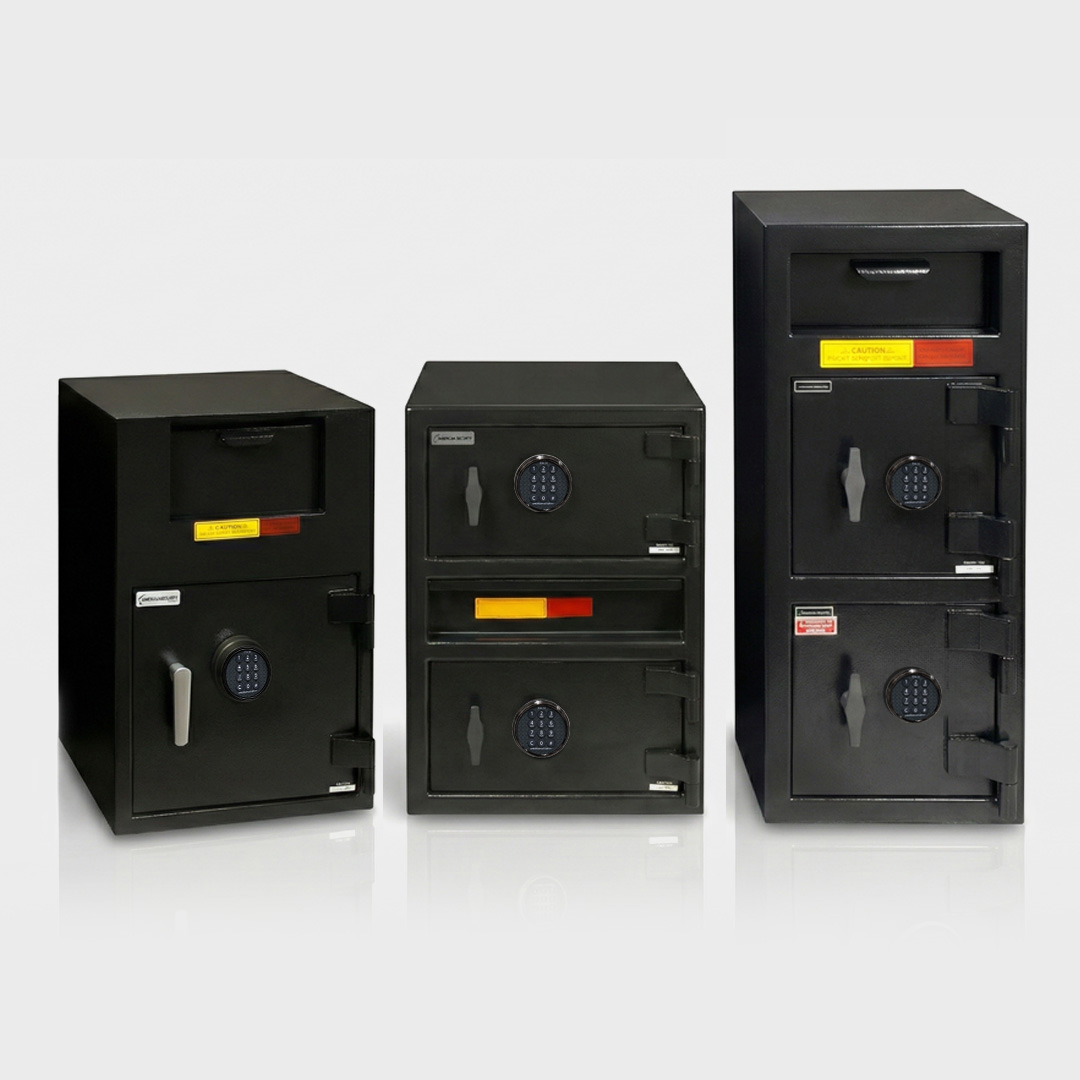
Nothing’s worse than investing in drop safes for your business only to realize that it’s the wrong cash management security solution for your operations. That’s why it’s important to evaluate your needs and work with a professional to determine the best option.
To make your decision-making process more efficient, we’ve decided to share the common mistakes that businesses make when it comes to choosing the right security solution.
Mistake #1: Choosing the Wrong Type of Drop Safe
In many cases, it’s easy to assume that any drop safe will get the job done, but not all cash drop safes will deliver the same features and quality design that suits your processes. Different businesses have different workflows, and if the safe doesn’t match those day-to-day needs, it can quickly become more of a hassle than a help.
When the wrong style of drop safe is selected, employees face bottlenecks during peak business hours, resulting in frustration and time wasted. A low-quality deposit slot may also leave your business vulnerable to “fishing” or unauthorized access. Even if the safe is high quality, if it doesn’t integrate seamlessly with your current cash-handling procedures, it could be a sign it’s not a good fit.
To avoid these mishaps, it’s important to consider the following.
Frequency of Deposits
Ask yourself, how often is cash being dropped? Is it once an hour, once a shift, or continuously throughout the day? This can give you a good idea of the level of accessibility you’ll need to give your staff throughout daily operations.
Deposit Size
Are employees dropping envelopes, deposit bags, or rolled coins? The size and design of the chute or drawer must be able to support whatever volume you’re typically moving in and out of the safe.
Access Control
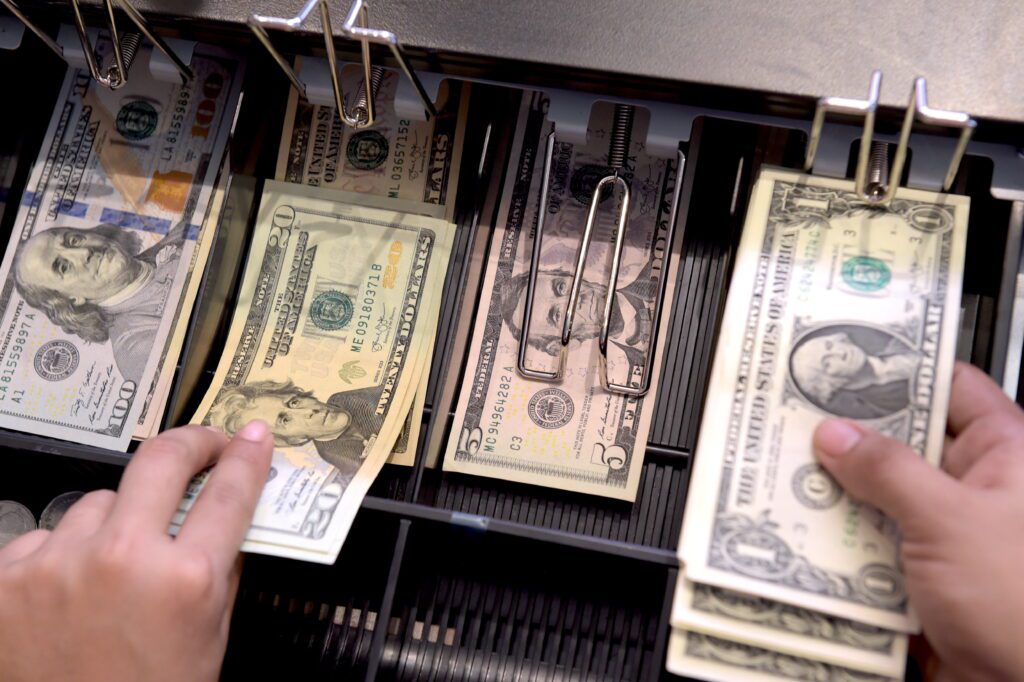
Who needs to make deposits, and who should have retrieval access? These roles should be clear, and processes should be straightforward to understand. To strengthen this within your operations:
- Minimize authorized users: Limiting the number of employees with access reduces risk and makes it easier to reconcile deposits. Fewer people with access also makes tracking accountability simpler in case of discrepancies.
- Regularly update codes or keys: Whenever there is staff turnover or role changes, update lock codes, keys, or combination access to prevent unauthorized use.
- Document access policies: Maintain written procedures for how deposits are made, who can access the safe, and what steps to take in case of an issue. This ensures consistency and clarity across all shifts.
Not Focusing on the Right Security Features
You definitely need to evaluate your cash handling processes, but another key factor is the security level and safe construction you’re looking for. For commercial use cases, it’s important to make sure your drop safe has these security mechanisms in place:
- Anti-fishing baffles
- Solid steel construction and welded seams
- Electronic locks with features such as time delays, time lock, and audit capabilities
- Reinforced hinges and bolt-down capability
Mistake #2: Ignoring Safe Capacity and Deposit Design
It might seem obvious, but many businesses underestimate the interior capacity and deposit style they actually need. Choosing a safe that is too small or not compatible with the types of deposits your team makes can slow operations and increase security risks.
When the safe cannot hold the necessary volume of deposits, employees may delay depositing cash, stack envelopes outside the safe, or open the safe more frequently. These actions create unnecessary exposure and increase the chance of loss. If the deposit opening is not designed to handle the size or type of deposit bags your business uses, jams and retrieval issues can occur. This leads to frustration and can even damage the safe over time.
To avoid these challenges, consider the following:
- Daily and weekly cash volume: Review real patterns, including busy seasons.
- Deposit container type: Determine whether employees are depositing small envelopes, zipped deposit bags, or rigid containers, and make sure the opening accommodates them comfortably.
- Internal compartment layout: Some safes separate deposit access from retrieval access, which can support stronger oversight and accountability.
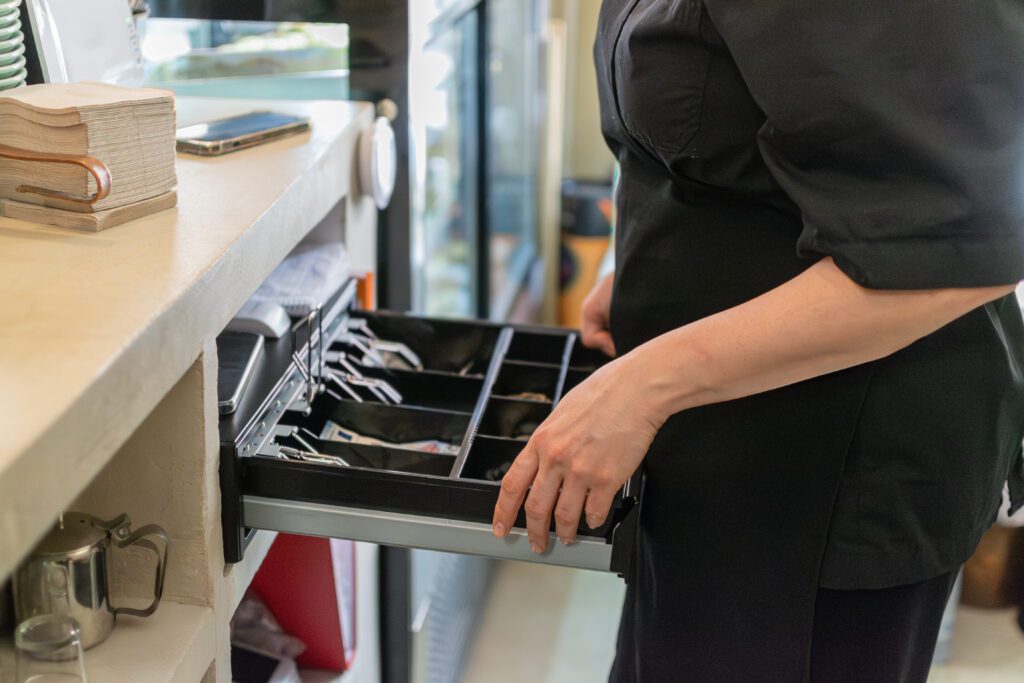
Because these needs can vary from one business to another, it is helpful to work with professionals who understand both safe construction and day-to-day cash handling workflows. Companies such as American Security have experienced teams who can help evaluate your operations, clarify your capacity needs, and guide you to a safe that performs effectively in real working conditions.
Choosing the appropriate capacity and deposit design will support smoother operations, faster deposits, and stronger protection for your cash handling process.
Mistake #3: Overlooking Security Features and Build Quality
We’ve touched on this briefly, but security features are a must when you’re managing large volumes of cash for your business. Not only that, but the build quality of a safe will have a big impact on the security and fire ratings the model will have. Industry-leading certifications from UL or ETL can carry significant weight, especially for insurance purposes, and in some cases, you’ll be required to invest in a safe that has a certain rating.
Even if you’re not required, insurance premiums can be lowered if you invest in a safe that has a certain level of security and/or fire rating. Of course, check with your insurance provider to learn more about those details.
Mistake #4: Poor Safe Placement and Installation
Where you place your commercial cash drop safe is just as important as the safe itself. Even the most secure and well-built safe can be compromised if it is installed in the wrong location. Businesses often overlook how placement affects both security and usability for employees who will be managing cash throughout the day.
When evaluating where to store your safe, consider:
- Accessibility: The safe should be easy for authorized staff to use without creating workflow bottlenecks.
- Anchoring and installation: A safe that is not properly bolted or installed can be moved, tipped, or tampered with. Professional installation is highly recommended for both security and long-term durability.
Finding the right balance between security and accessibility can be challenging, especially if your space has limitations. That is where professional guidance can make a difference. At American Security, we have extensive experience customizing commercial safes to fit specific spaces and operational needs. From designing one-of-a-kind safes to providing tailored installation solutions, we can craft a solution that addresses your top security concerns while maintaining convenience for your staff.
Mistake #5: Neglecting Ongoing Maintenance and Access Management
A high-quality commercial cash drop safe is built to last, but it will only perform at its best when it is properly maintained and managed over time. Once a safe is installed, it is easy for it to fade into the background of daily operations. However, neglecting maintenance or allowing access controls to become too relaxed can undermine both security and efficiency.
Here are a few important steps you can take to protect your investment and prolong the lifespan of your safe.
Regular Mechanical Checkups
Locking mechanisms, hinges, and drop components can wear down through daily use. Periodically test the lock for smooth operation, check for any unusual resistance, and make sure deposits fall cleanly into the internal compartment. A quick inspection every few months can prevent small issues from becoming costly repairs later.
Scheduled Code or Key Changes
Over time, staff turnover or role changes can leave old access credentials in circulation. To maintain security, update safe combinations or electronic lock codes at regular intervals. If your safe uses physical keys, store them securely and track who has them. Only authorized personnel should have retrieval access.
Clear Access Policies
Define who is allowed to make deposits and who is authorized to remove cash. These roles should be intentionally separated whenever possible. This helps prevent internal theft and improves accountability. Written procedures also help ensure consistency across staff and shifts.
Professional Service When Needed
If you notice sticking locks, irregular noises, difficulty opening the door, or misalignment in the drop chute, consult a professional safe technician. Attempting to force repairs yourself can damage internal components or compromise security.
By taking a proactive approach to maintenance and access management, you not only extend the useful life of your safe but also maintain a secure, controlled environment for your cash handling operations. A safe is more than a metal box. It is a working tool that supports your business every day. Keeping it in good condition ensures that it continues to do its job effectively.
Find Your Next Commercial Cash Drop Safe Today
American Security offers a wide range of drop safes, and if you’re looking to take security to the next level, we also have smart safe options to choose from. Depending on your needs, smart safes can help restaurants, retail establishments, and many other businesses streamline their cash management processes and have better oversight into their operations and financial growth.