
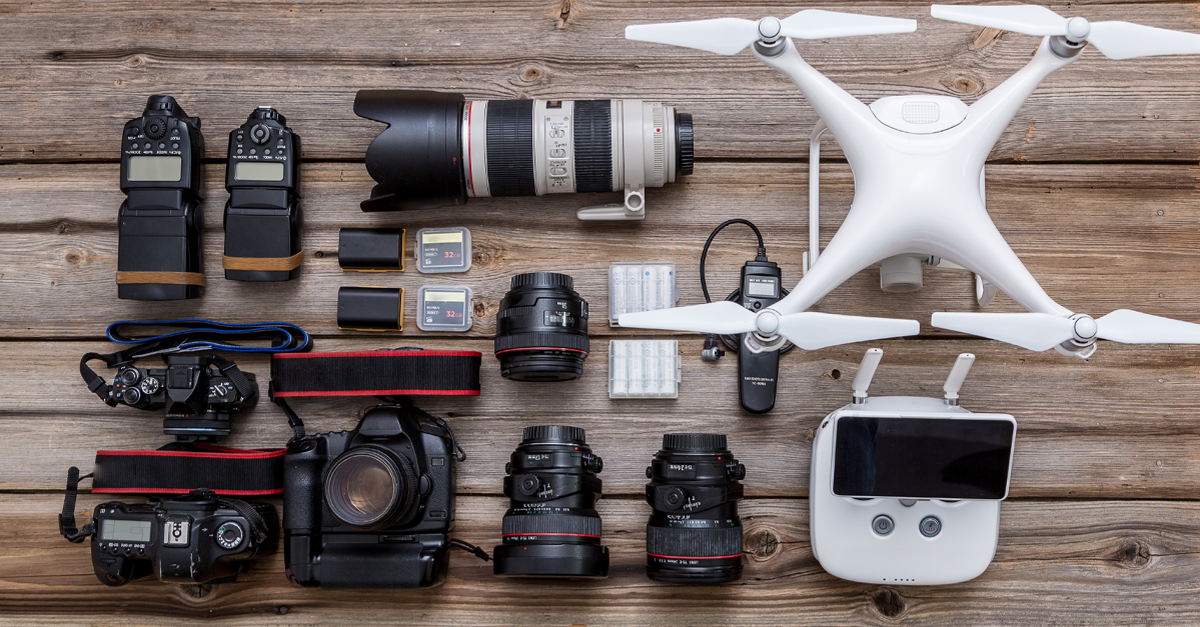
If you’re serious about your hobbies, you’ve probably invested a lot of money into your equipment. Whether you fly a drone, shoot with expensive camera lenses, or collect expensive watches or rare trading cards, that gear carries massive resale value. But once the weekend is over, most people just leave their items in a padded backpack or a desk drawer.
Storing your gear in a grab-and-go bag does a burglar’s job for them. Thieves look for small, valuable items they can carry away fast. Instead of crossing your fingers and hoping for the best, upgrading to a high security home safe takes your collection out of plain sight and locks it inside a heavy steel fortress.
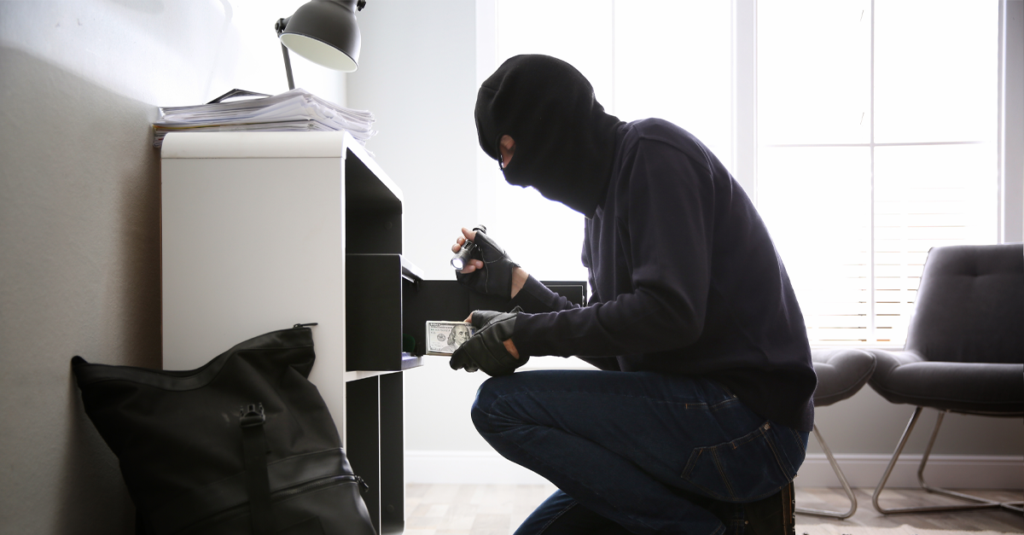
1. Buying Critical Time Against Burglars
Let’s be honest about physical security. No safe on earth is completely bulletproof if a thief has heavy-duty tools and unlimited time. Instead, a home safe is designed to buy you time.
According to home burglary data compiled by ADT, the average residential break-in lasts less than 12 minutes. Intruders want to get inside, sweep the bedroom and closets for quick cash or valuables, and leave before the police arrive. A thief can swipe a camera bag or a box of coins in ten seconds. They don’t want a noisy, exhausting fight with a heavy steel box.
A certified safe turns a quick grab into a nightmare for a burglar. Models with an Underwriters Laboratories (UL) Residential Security Container (RSC) rating are tested against pry bars, hammers, and drills. Features like thick steel doors and heavy locking bolts force a thief to burn through their short time limit and leave empty-handed.

2. What a 350°F Fire Rating Really Means
When people buy a safe, they often think a fire rating means everything inside is 100% fireproof. But you need to look closely at what you’re actually storing. Most standard fire-rated safes are built to keep the inside temperature below 350°F. That’s because standard paper documents catch fire around 405°F.
Keeping the inside at 350°F will save your passports, but modern hobby gear reacts very differently to heat. For cameras and drones, the bodies are often made of plastic. Based on material engineering data on ABS plastics, these shells can soften or warp around 221°F. Plus, the delicate sensors and optical glue inside your lenses can get ruined if they get hotter than 150°F. For graded cards and collectibles, gold and silver coins or steel knives will easily survive 350°F. However, the plastic cases used for graded sports cards and comic books will melt and ruin your collection at much lower temperatures. For mechanical watches, steel cases are tough, but the delicate oils inside a mechanical watch will bake and the rubber seals will melt.
So, is fire insulation useless for hobbyists? Not at all. In a bad house fire, an uninsulated metal cabinet turns into an oven and destroys your gear in minutes. A safe filled with dense insulation, like American Security’s DryLight fill, slows down the heat. If firefighters put out the blaze quickly, the inside of a quality safe will likely stay cool enough to save your collection.
You can also place a small, extra-insulated media cooler box inside your main safe to double-protect your hard drives and cameras. Just remember one major rule. Never store lithium-ion drone or camera batteries inside a sealed safe. If they get too hot, they can explode. Keep your batteries in fireproof charging bags outside the safe.
3. Skipping the Wi-Fi Risks
We are surrounded by smart home gadgets that constantly need updates, rely on the cloud, and lose their Wi-Fi signals. But when you want to protect thousands of dollars in gear, simpler is definitely better. A true high security home safe doesn’t need an app or an internet connection.
Because it isn’t connected to a network, hackers can’t break into it remotely. A power outage or a downed server won’t lock you out of your own camera gear right before a big morning shoot or a weekend trip. Whether you choose a classic mechanical spin dial or an electronic keypad, your safe stays completely reliable.
4. Bolting It Down and Controlling Moisture
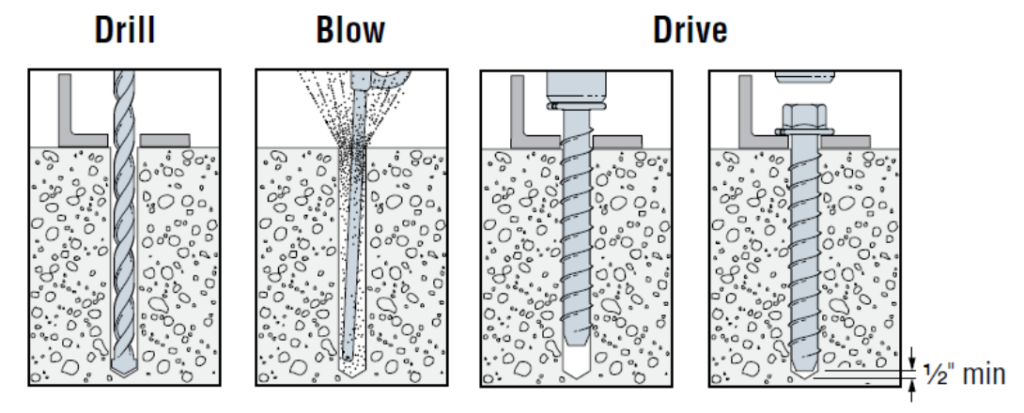
Even a heavy 300-pound safe can be tipped onto a hand truck and wheeled out the front door by two strong thieves. To get the best protection, you have to bolt your safe directly to your concrete floor. Bolting it down takes away leverage, making it incredibly hard for someone to pry the door open.
Once your safe is locked down, you can customize the inside to protect your gear:
-
Keep the air dry: Sealed safes trap moisture, which can grow fungus on your camera lenses, rust your custom knives, or ruin vintage paper. You can fix this easily by placing a rechargeable moisture absorber inside.
-
Use better storage: Replace your soft nylon bags and cardboard boxes with foam trays and watch rolls. Foam holds your heavy lenses securely without soaking up moisture.
-
Size up for the future: Hobby collections always grow. Choose a safe that’s a bit larger than you need right now so you aren’t cramming heavy lenses on top of your delicate drones.
Securing your equipment is all about removing easy opportunities for thieves. By managing the heat and moisture and locking your gear inside a heavy steel box, you buy the critical time you need to stop a burglar. Explore our CSC Series composite safes, our BF Series home safes, or one of our best selling BFX Series gun safes to find the perfect fit for your collection.