
When you’re ready to step up your home security, a highly engineered safe gives you unbeatable protection for your firearms and high-value assets. But before you buy a top-tier model like our BFII 7250, which weighs close to 1,800 pounds, or a high-security RF Series unit that easily tops 3,000 pounds, you need a solid plan.
Bringing a massive steel box into your home takes preparation. Can it actually fit through your doors? Can your floor safely hold that much weight? Luckily, with the right prep work and a basic understanding of how homes are built, you can easily get your space ready.
Disclaimer: The information in this guide is for educational purposes only. Because every home’s age, build, and strength is completely unique, American Security isn’t liable for property damage or injury resulting from safe delivery or installation. We strongly recommend talking to a licensed structural engineer or general contractor to verify your specific floor’s weight limit. You should also use professional safe movers to safely deliver and bolt down a premium safe in your home.
Here’s how to plan for your new safe from start to finish.
1. Visit a Local Dealer to See the Scale in Person
Before you measure your doors or check your floors, you need to see these safes in person. Looking at a picture online doesn’t truly prepare you for the massive footprint of a BFII 7250 or an RF Series model.
When you visit a local safe dealer, you can get a real feel for the dimensions and talk directly to professionals. Every authorized dealer is highly knowledgeable about American Security safes. They can answer all your questions and help you pick the perfect size for your space. You can easily find an expert near you using our Find a Dealer tool.
2. Plan the Delivery Route
Once you know which safe you want, you have to think about getting it inside. Measure the width of your exterior doors, interior hallways, and any tight corners along the route. A highly engineered safe is a massive piece of solid steel.
Depending on the size of the safe you choose, you might actually need a general contractor right at the beginning. They can help figure out if doors need to be temporarily removed, frames widened, or pathways reinforced just to get the safe in the house. If the delivery team can’t get it through a narrow hallway, your installation stops right there. Clear the path and make sure the safe will physically fit.
3. Plan for a First-Floor Setup
We build our safes incredibly heavy on purpose. We want to make it nearly impossible for burglars to remove them. In most cases, a thief would literally need a forklift to steal one of our largest models.
Because of this massive size, we strongly recommend planning your spot on the first floor. Keeping it on the ground floor makes professional delivery much safer. It also gives you the absolute best structural support.
4. Know What’s Under Your Floor
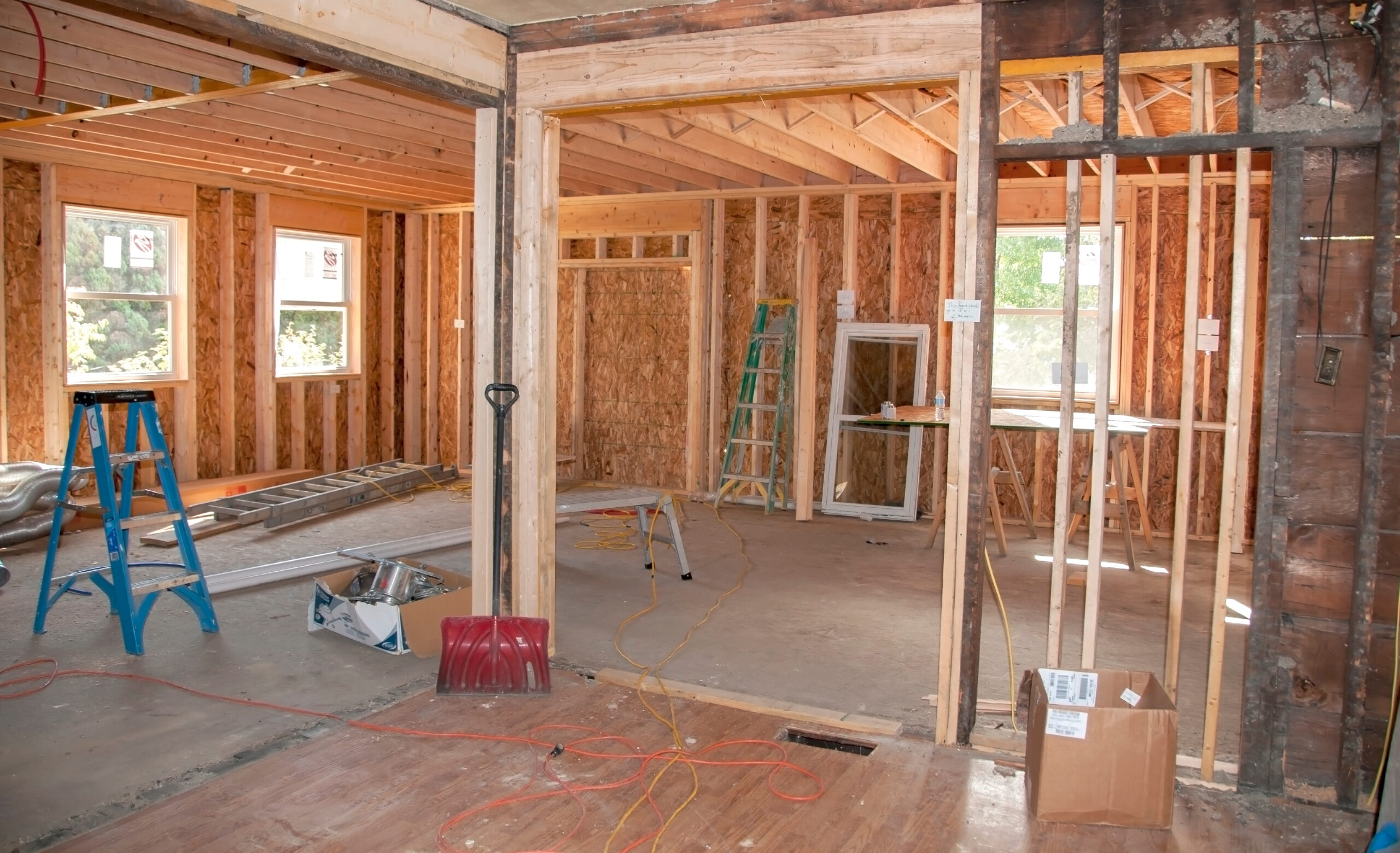
Before you finalize a room, find out what’s directly under your first floor. This completely changes how you need to prepare.
-
Concrete Slab: If your home is built directly on a solid concrete slab, you’re in luck. A concrete foundation can easily support a safe that weighs over a ton. You don’t need to worry about wood beams or support walls. You can pick almost any spot and bolt the safe straight into the cement.
-
Basements and Crawlspaces: If your house has a basement or a crawlspace, your first floor is built on wooden floor joists, a framing method explained in detail by This Old House. That means you have to be careful about where the safe sits. But there’s a huge bonus to being on the first floor. You or a contractor can easily go under the house and add steel support posts (often called Lally columns, as noted by This Old House) directly under the safe to brace the extra weight.
5. Wood Floor Basics: Walls and Joists
If you’re installing the safe over a crawlspace or basement, you can’t just drop a 2,000-pound box in the middle of a room. It packs way too much weight into a very small space. If you do that, the floor will eventually sag and cause major structural damage, a risk detailed by Family Handyman.
Instead, you want to plan a spot against a load-bearing wall. Bob Vila provides an excellent guide on how to identify these walls in your own home. These are the main walls that carry the weight of your house straight down to the foundation. You also want to make sure the safe sits across multiple floor joists to spread the weight out, rather than resting all its weight on just one beam. You don’t need to be an expert on this math, but keeping the safe against a strong outside or main interior wall is the best way to prepare your space before a contractor steps in.
6. Plan to Bolt It Down
A common myth is that if a safe weighs over a ton, you don’t need to bolt it down. Buyers think the extreme weight is enough to stop thieves on its own.
That’s a big mistake. Burglars know they can’t just carry a massive safe away. Instead, they use long steel pry bars to tip the safe onto its back so they have the leverage to pry open the door. Or they might try to tip it just enough to slide a wooden pallet underneath. Once it’s on a pallet, they can use pallet jacks and forklifts to roll it right out of your house.
Whether you have a concrete slab or solid wood joists, high-strength bolts will lock the safe firmly into the structure of your home. If it’s bolted down, thieves can’t tip it to get a pallet underneath it.
7. Line Up the Professionals Before You Buy
Securing a safe that can weigh a ton or more isn’t a weekend project for you and your friends. Getting your home completely ready actually requires two different types of experts who often need to work together:
-
The Structural Expert: If you have any doubts about your home’s framing or doorway sizes, bring a general contractor in before you buy. They can tell you exactly how much weight your floor can hold and install extra support posts in your crawlspace. They can also coordinate with your safe installers to make sure the unit can physically fit through your doors.
-
The Installation Expert: Once your spot and path are ready, you need an authorized safe moving team. Your local dealer can usually coordinate this for you. They use special moving equipment and understand how to handle the massive weight safely. Trying to move it without them can cause huge property damage or severe injury.
Buying a safe that weighs over a ton takes some serious planning. That’s especially true when you start figuring out your home’s floor framing and door sizes. But we build them this heavy for a very specific reason. That extreme weight stops burglars in their tracks and gives you real, lasting protection for your firearms and most valuable gear. You aren’t settling for a cheap, flimsy metal box. You shouldn’t settle for a risky installation either.
By planning ahead and bringing in the right experts, you can confidently prepare your home for a premium, highly engineered safe. Take the time to visit a dealer, map your route, find your strongest walls, and always plan to bolt the unit down. Reach out to your local American Security dealer today to get started.