
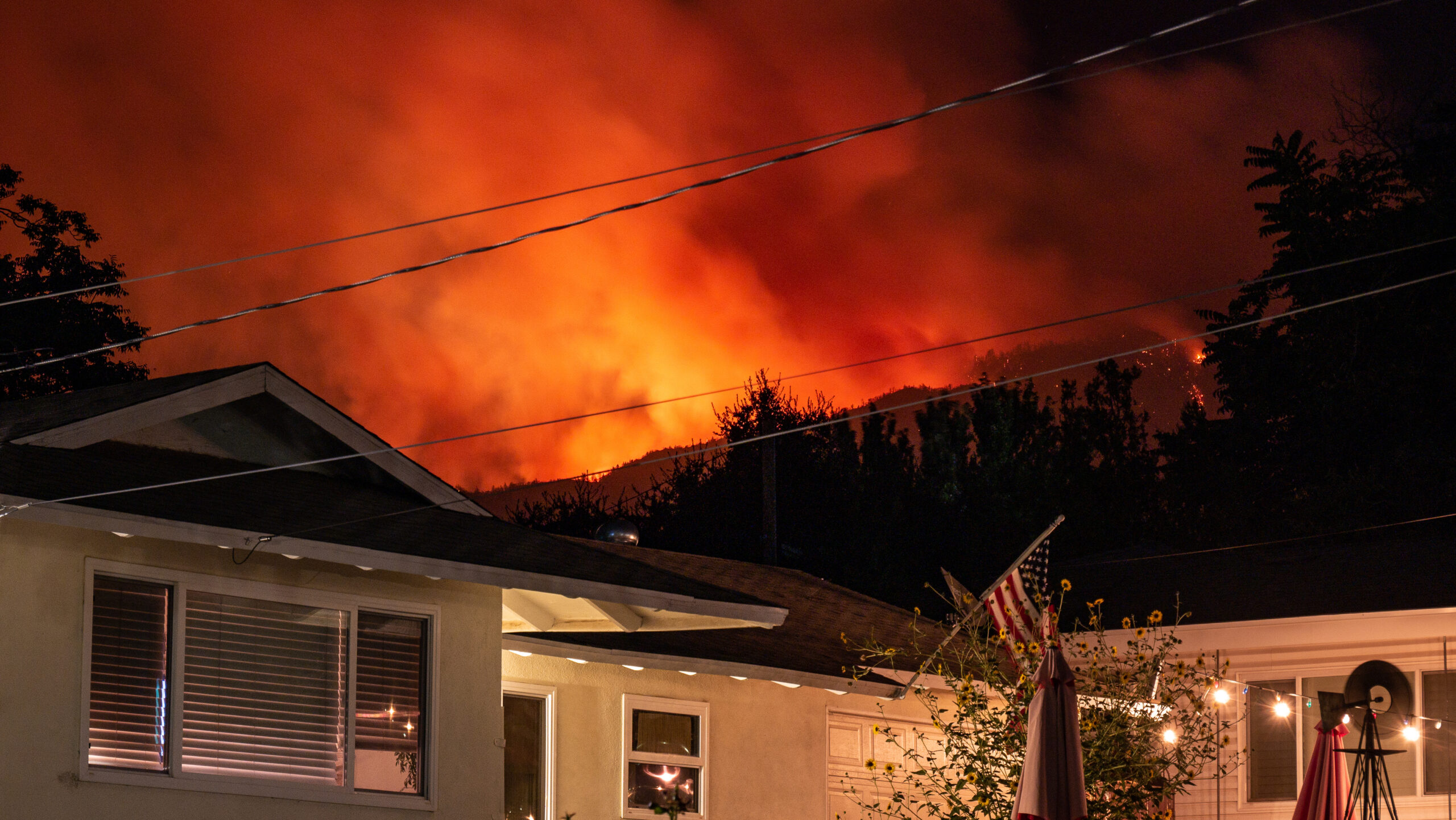
Summer brings warmer weather and family vacations, but it also kicks off the start of fire season. Fires can start inside your home due to appliance and electrical issues, or they can start outside like a stray ember from a backyard BBQ or a dangerous wildfire spreading through your neighborhood.
When a fire gets out of control, it moves with terrifying speed, making early evacuation your absolute top priority. Getting you and your family out of harm’s way means you’ll inevitably have to leave your physical possessions behind. While many people search for fire proof safes for home, it’s critical to understand that no safe is completely “fireproof.”
In a severe blaze, the exterior of the safe will often be charred, melted, and ruined. But a high-quality, fire-rated safe provides the ultimate peace of mind, ensuring the contents inside remain protected and intact while you focus on safely evacuating. Whether you’re shopping for your first safe or using an older one you already own, you need to know how these different fire threats put your valuables at risk.
The Threat of Structure Fires
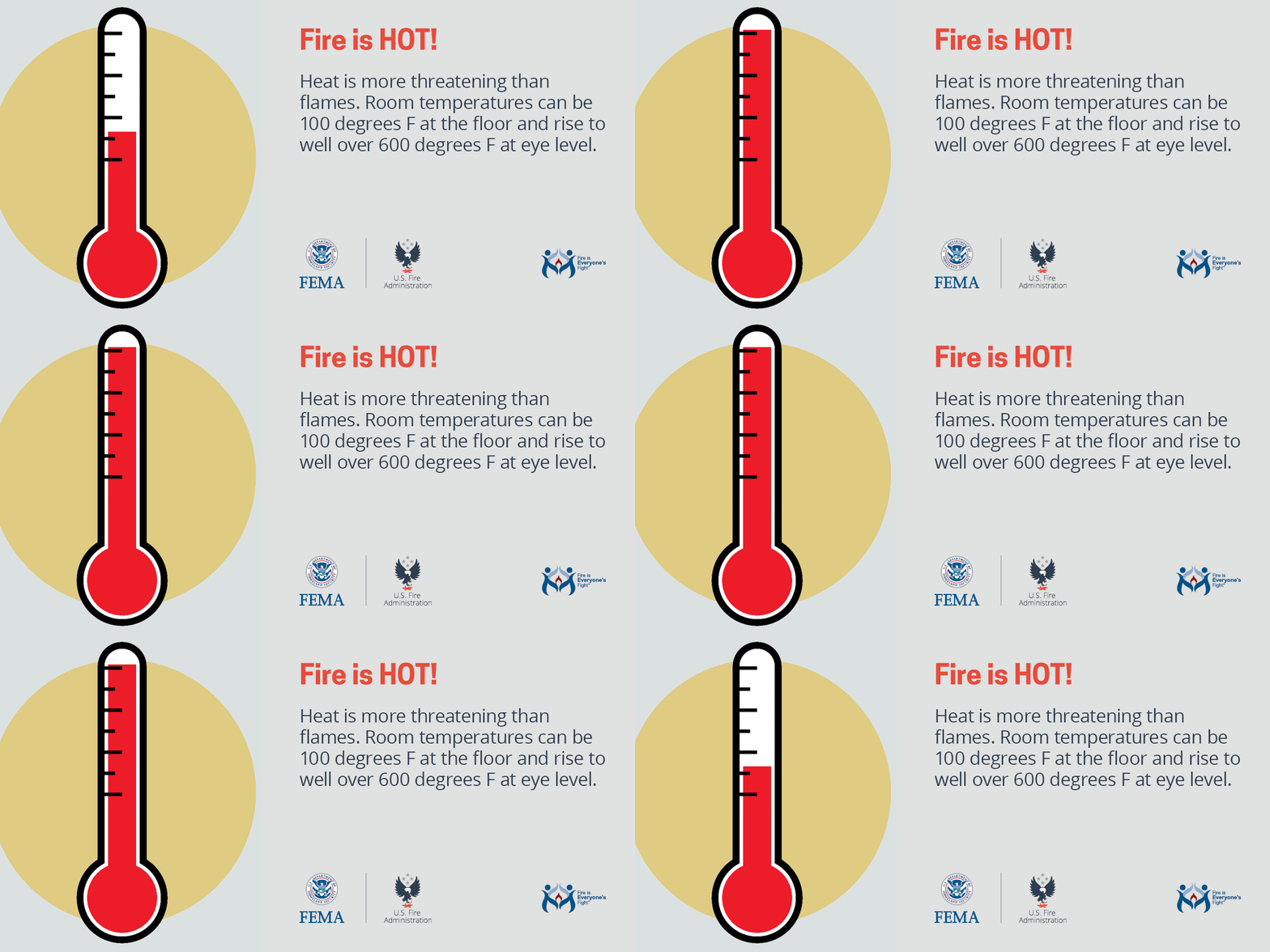
When a fire starts inside your home, the temperature rises incredibly fast due to burning furniture, walls, and flooring. According to ReadyWisconsin, the average house fire burns at more than 1,000°F, creating an intense environment where room temperatures can sit at 100°F near the floor but soar to 600°F just at eye level. These fires most commonly start from everyday hazards, with the top causes including cooking, heating appliances, home electrical wiring, smoking, and candles. Cheap lockboxes fail in these conditions because thin metal pulls the heat right inside the box, effectively baking your important documents.
- Paper begins to turn brown and get damaged when the heat reaches about 400°F.
-
Paper will start to char and auto-ignite once temperatures exceed about 450°F.
-
A thin metal box with no insulation will quickly reach these dangerous temperatures in just a few minutes.
The Reality of Wildfires
Wildfires create a different challenge because they often bring extreme heat and wind from the outside, which can overwhelm a home quickly. The USDA Forest Service reports that forest fires often reach or exceed temperatures of 2,000°F. During the Fishlake National Forest Manning Creek burn in 2019, scientists measured some of the highest fire intensities they have ever recorded, and the heat was so extreme that some of their research equipment actually melted. As you can see in the video below, these fires can move with incredible, unpredictable speed, consuming fuel across both wildland and urban environments in a matter of seconds.
We saw this terrifying speed firsthand during the devastating 2025 Los Angeles fires, where gusty winds and critically dry conditions allowed flames to tear through neighborhoods with little warning. However, even in the center of that destruction, we saw incredible resilience. In one instance, an American Security customer’s safe successfully protected an irreplaceable WWII collection from the searing heat, proving that the right engineering can survive the unthinkable.
-
Extreme wildfire heat can easily bypass standard residential building materials.
-
Wind-driven fire behavior can cause rapid spread across both wildland and urban environments.
-
Data from these in-fire experiments are helping researchers validate and improve models to increase firefighter safety.
How We Engineer Protection
American Security safes utilize high-grade steel that provides the first line of defense against radiant heat and falling debris. We use varied, high-performance insulation technologies across our lineup to ensure the best possible protection for your valuables. Following the extreme 2025 fires, we created our Proof of Protection hub, a dedicated resource where you can read real customer survival stories, explore our top fire-rated models, and access essential fire-related resources.
To help you understand the engineering featured on that page, we have ranked our insulation types below, starting with our industry standard and moving to our highest performance solutions:
-
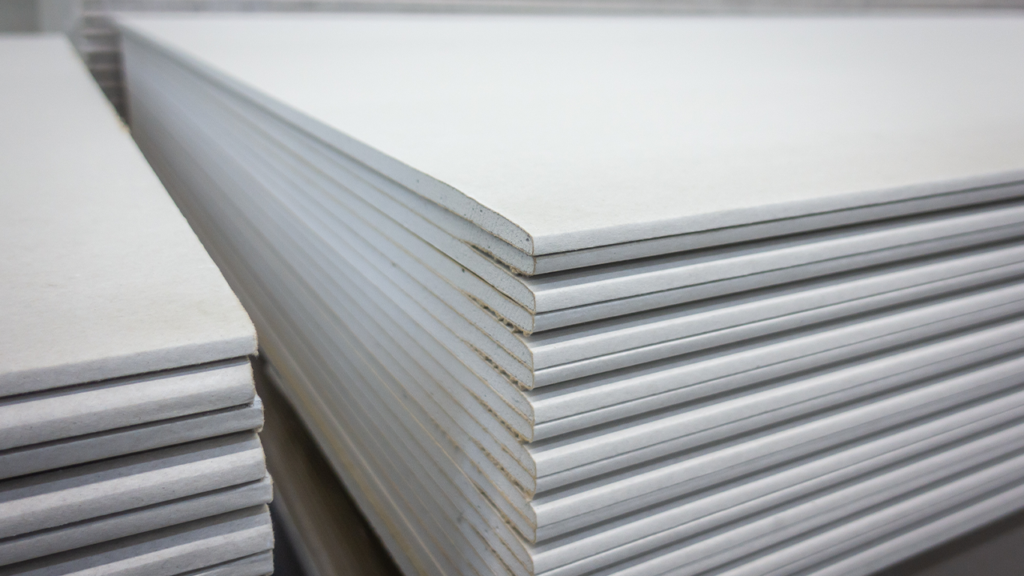
Gypsum Board (Drywall): Just like the fire-rated drywall used to build the structural walls of modern homes, this material provides a solid foundation for fire protection. It works by releasing chemically-bound water molecules as steam when exposed to intense heat, which helps regulate interior temperatures. You’ll find this material in our NF, SF, and TF gun safe series, which delivers reliable fire protection.
-
Fire Clay: Like the enduring, heat-resistant walls of a traditional adobe home, our fire clay creates a formidable natural barrier. This material is 43% denser than gypsum board and offers an impressive melting point of 3,002°F. It serves as a massive wall of protection when poured between layers of thick steel. We use this in our BF series to help the safes withstand destructive flames.

-
DryLight: Imagine taking natural coral once its been brought out of the ocean and dried. In that state, coral is incredibly lightweight, highly porous, and contains almost no trapped moisture. If you could take that dried coral and turn it into a pourable liquid, you’d have something very similar to DryLight. Our proprietary fill material is poured directly into the safe walls settling into a solid, gap-free barrier. By mimicking that highly porous, low-moisture structure, it prevents heat from penetrating the interior much more effectively than standard board-based materials and allowing us to use more steel in the safe. Our BFII and BFX series features DryLight, achieving an impressive 2-hour ETL fire rating.

-
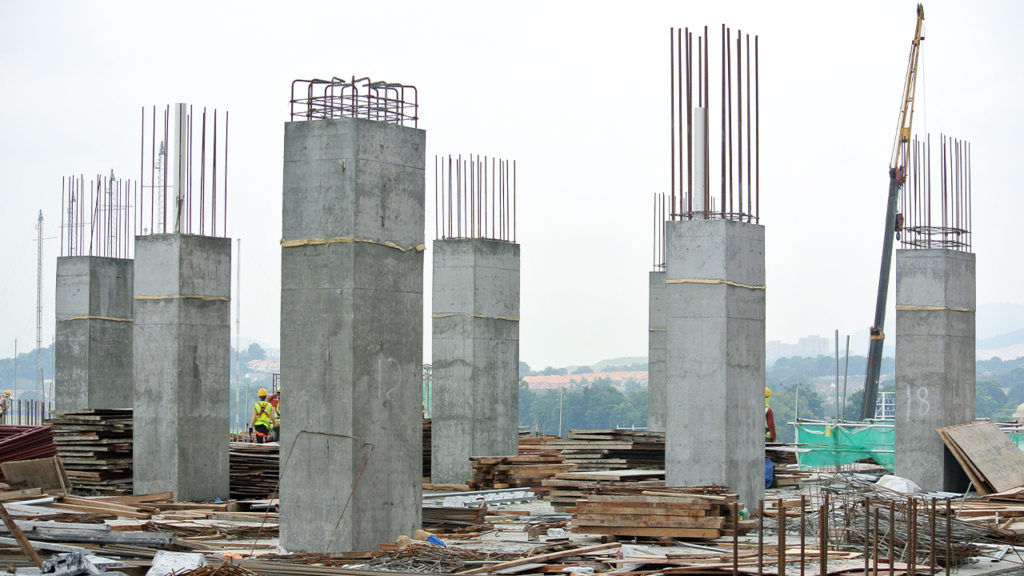
High-Strength Concrete: The towering skyscrapers in major cities rely on massive concrete columns engineered to withstand immense pressure, and our high-strength concrete is made of comparable PSI levels to those industrial structures. As our heaviest and most robust insulation option, this material provides the ultimate combination of fire and burglary protection. It’s significantly denser than drywall, with TL-15 models using concrete that is 162% denser and TL-30 models using concrete that is 172% denser. This material is featured in our TL-rated safes like the CEV and RF series, offering the highest level of security for your most valuable assets.
We back up these designs by submitted our products to rigorous, independent laboratory testing that simulates the worst-case scenario of a house fire. As outlined in our breakdown of fire ratings explained, we strongly advise consumers to look for safes certified by Underwriters Laboratories (UL) or tested by Intertek (ETL) rather than relying on unverified factory testing.
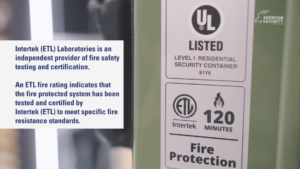
During these independent endurance tests, a safe is locked inside a furnace and exposed to a uniformly distributed fire that can reach over 1,850°F. To earn its certification, the safe must successfully maintain an interior temperature below 350°F, ensuring your documents remain safely beneath their ignition point. Some models also undergo severe explosion hazard and structural impact drops to prove they can survive a building collapse. Our premium safes consistently pass these strict evaluations, keeping your items cool and secure for up to two full hours of extreme exposure.
Your Fire Action Plan
Understanding how a fire works is only the first step, so you need to take action before a disaster ever strikes. Use this quick checklist to evaluate your home defense strategy and ensure your valuables are protected before a house fire or wildfire happen.
-
Stay Alert: Download a real-time wildfire tracking tool like the Watch Duty app to monitor local fire activity and receive immediate notifications, giving you the critical time you need to evacuate safely.
-
Verify Your Fire Rating: Locate your safe and check the inside of the door for an official UL or ETL fire rating badge confirming that your storage is truly tested and verified.
-
Prioritize Robust Construction: When choosing your next safe, move beyond thin metal lockboxes and insist on heavy-gauge steel paired with high-performance insulation like DryLight or industrial-grade gypsum board.
-
Audit Your Irreplaceable Items: Take a moment to list your most critical physical documents and sentimental valuables today, ensuring they’re protected before a fire happens.
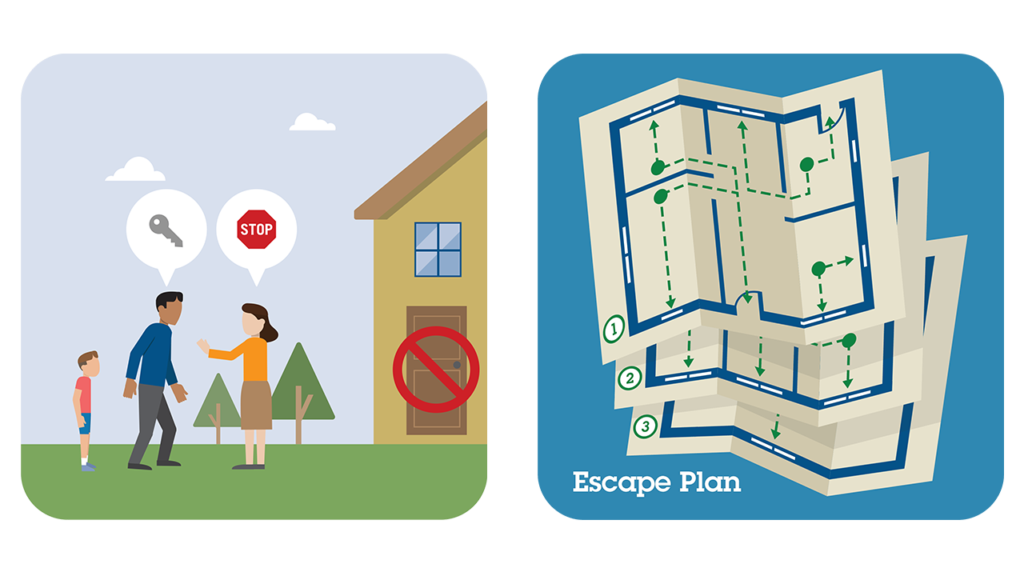 When a fire happens, your only priority is getting yourself, your family, and your pets out of the house immediately. That means you’ll inevitably have to leave things behind. As the US Fire Administration and Ready.gov illustrates, you should never re-enter a burning building to retrieve forgotten items like keys or documents. If you have secured your belongings in a high-quality, fire-rated safe ahead of time, you can evacuate with confidence knowing those items should be safe from the fire.
Contact an authorized American Security dealer today to find the exact fire resistant safe your home needs.